 ພາສາລາວ

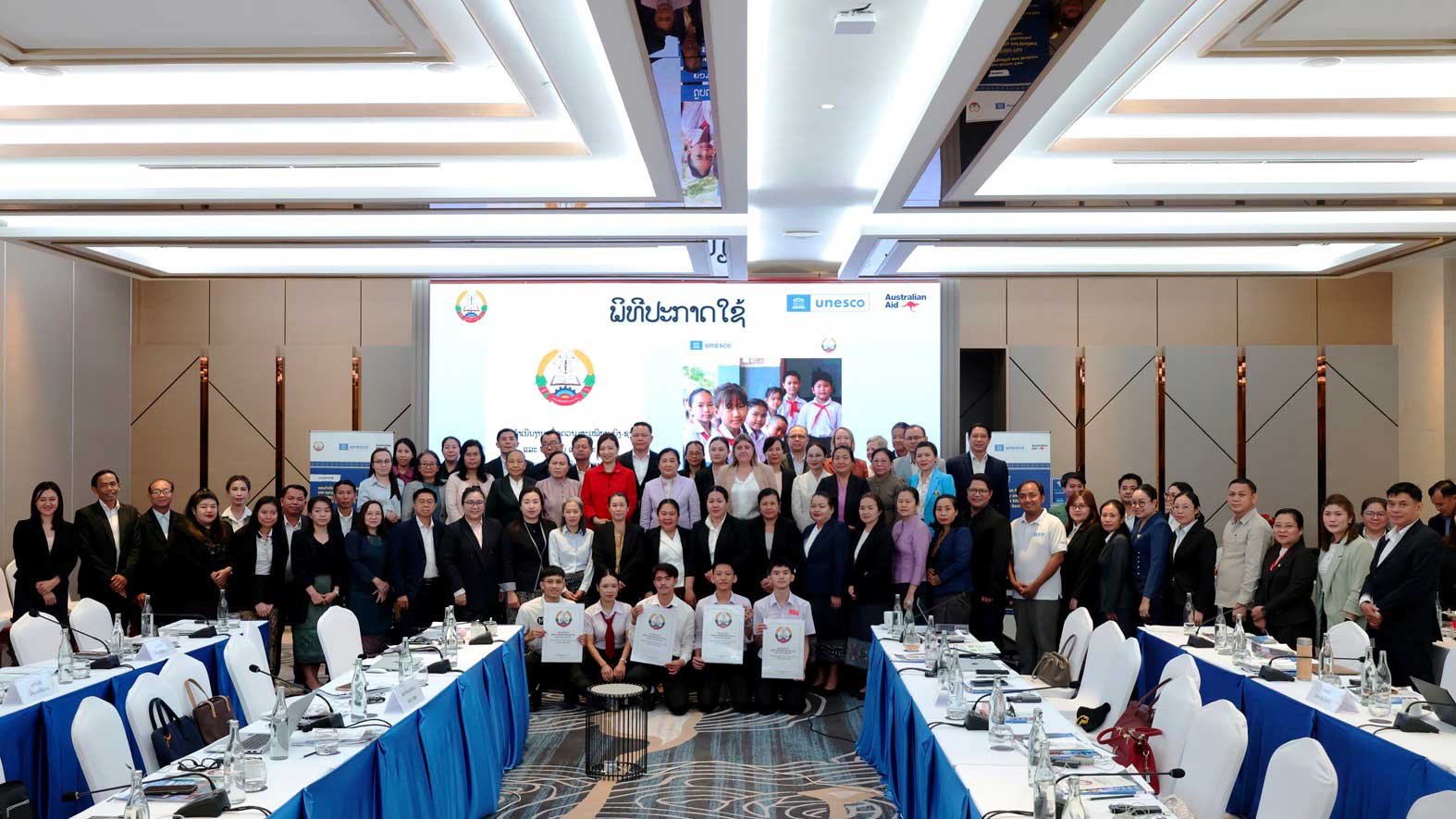
More than 80 participants from MoES departments, teacher education institutions, student groups and mass organisations attended the launch
The new 2026–2030 Action Plan launched today will help strengthen equal opportunities, child protection and safe learning environments across Lao PDR
Vientiane, 3 November 2026 – The Ministry of Education and Sports of Lao PDR (MoES) launched a new five-year Action Plan on Gender Equality and Mothers and Children that will guide action across the education, science and sports sector. The Action Plan was developed under the leadership of the MoES with support from the Australian Government through the BEQUAL programme, and informed by findings from a Rapid Gender Assessment in the Education Sector supported by UNESCO Regional Office in Bangkok and Office for UN Coordination for Asia and the Pacific (UNESCO Bangkok).
The launch event was chaired by Dr Daravone Kittiphanh, Vice Minister of Education and Sports alongside Ms Soohyun Kim, Regional Director of UNESCO Bangkok and Ms Benita Sommerville, Deputy Ambassador of Australia. It brought together MoES departments, teacher education institutions, students, mass organisations, development partners, organisations of persons with disabilities and civil society organisations.
The Action Plan aims to address barriers that prevent girls, boys, women and children from accessing equal opportunities, participating fully in education and learning in safe and supportive environments. It also seeks to strengthen institutional capacity to address gender-based discrimination, harmful gender norms and violence, while promoting greater awareness of child protection and rights among teachers, learners, families and communities.
“The launch of this Five-Year Action Plan demonstrates our strong commitment to advancing gender equality and protecting the rights and wellbeing of women and children across the education, science and sports sector,” said Dr Daravone Kittiphanh, Vice Minister of Education and Sports, Lao PDR. “From 2026 to 2030, we will work together to strengthen policies, raise awareness, build capacity and improve coordination so that every girl, boy, woman and man can learn, participate and thrive in a safe, fair and supportive environment. We sincerely thank the Australian Government for its partnership in developing this Plan, and UNESCO for its valuable support in conducting the rapid gender assessment that helped inform our priorities and actions.”
Developed through a series of drafting and validation workshops led by the Committee for the Advancement of Women, Mothers and Children within MoES, the Action Plan provides a framework for translating national commitments into concrete institutional actions.
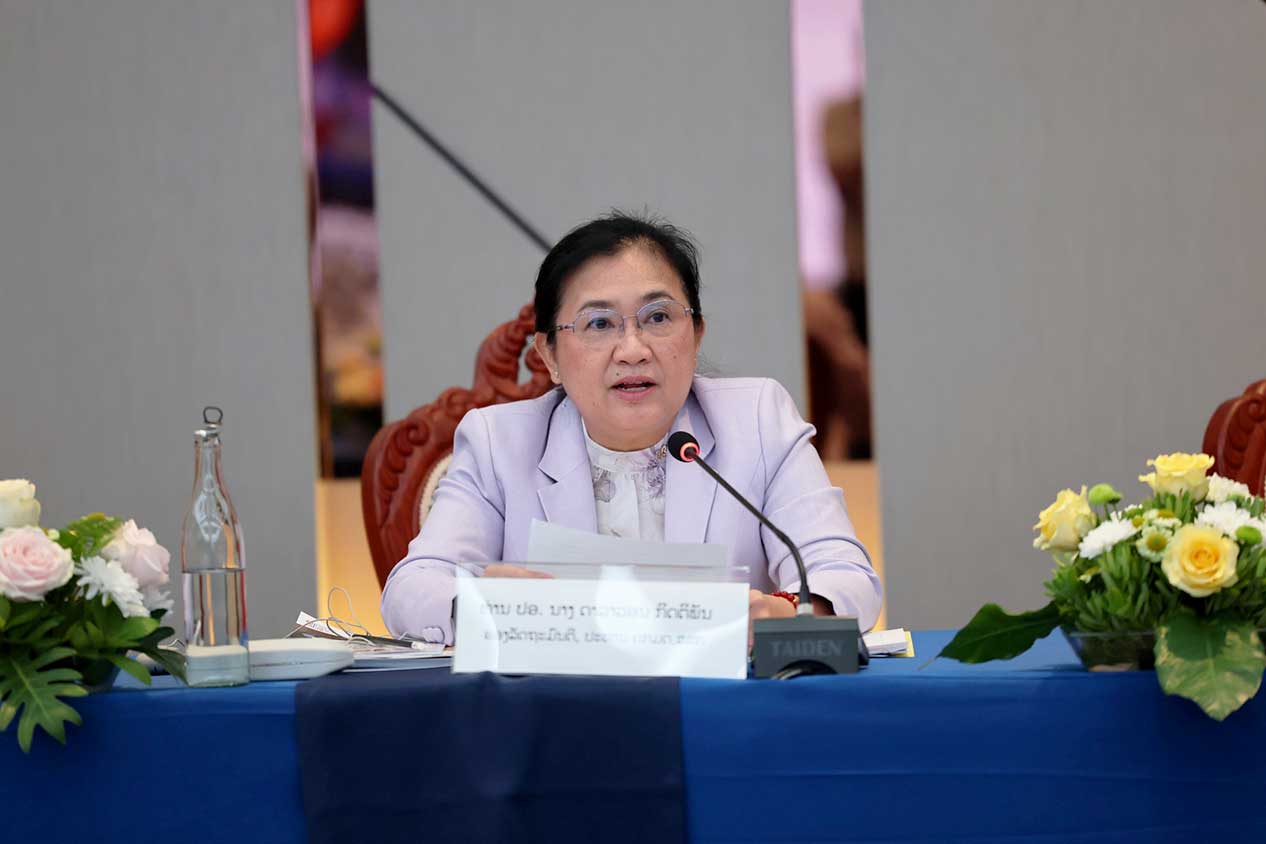
Dr Daravone Kittiphanh, Vice Minister of Education and Sports, highlighted the importance of putting the Action Plan into practice across all MoES departments and institutions
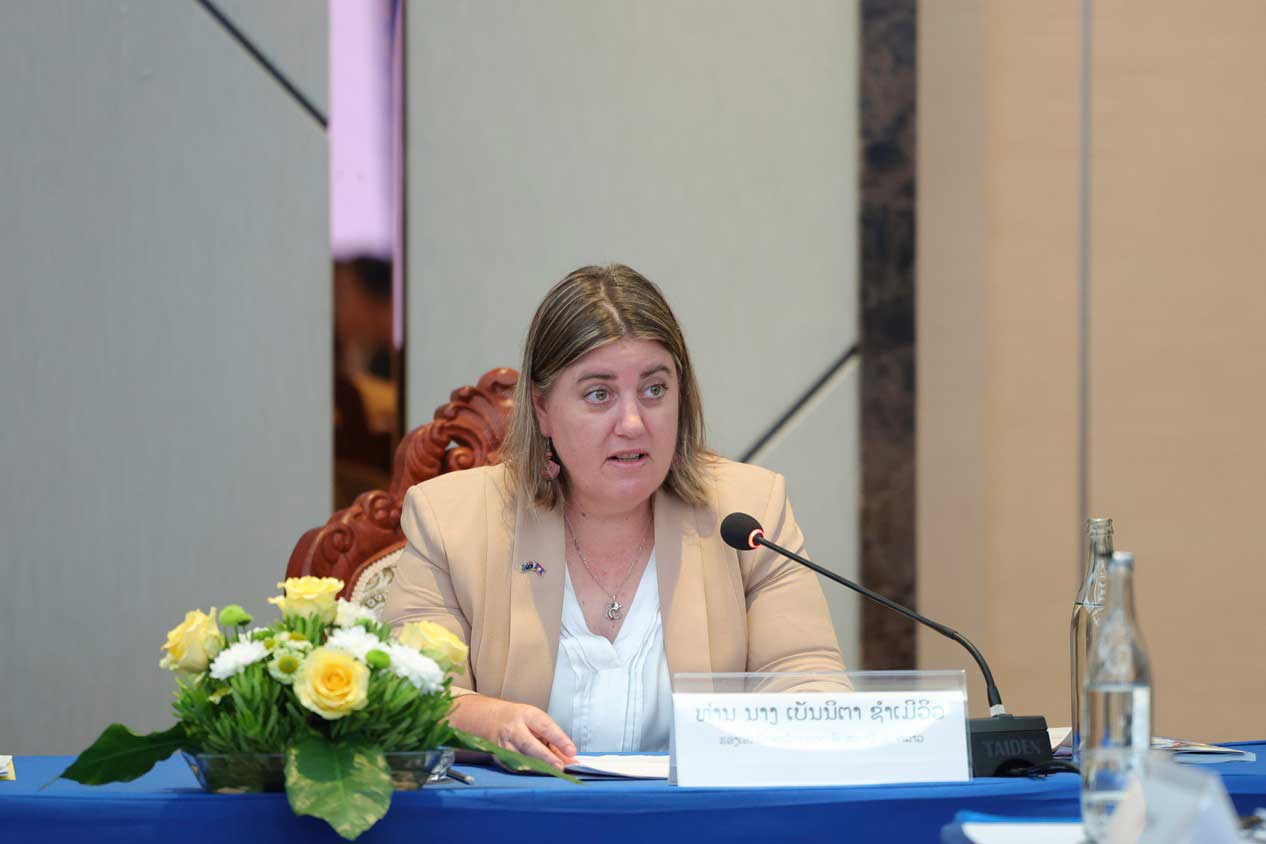
Ms Benita Sommerville, Deputy Ambassador of Australia, reaffirmed Australia’s support for gender equality and the rights and wellbeing of women and children in Lao PDR
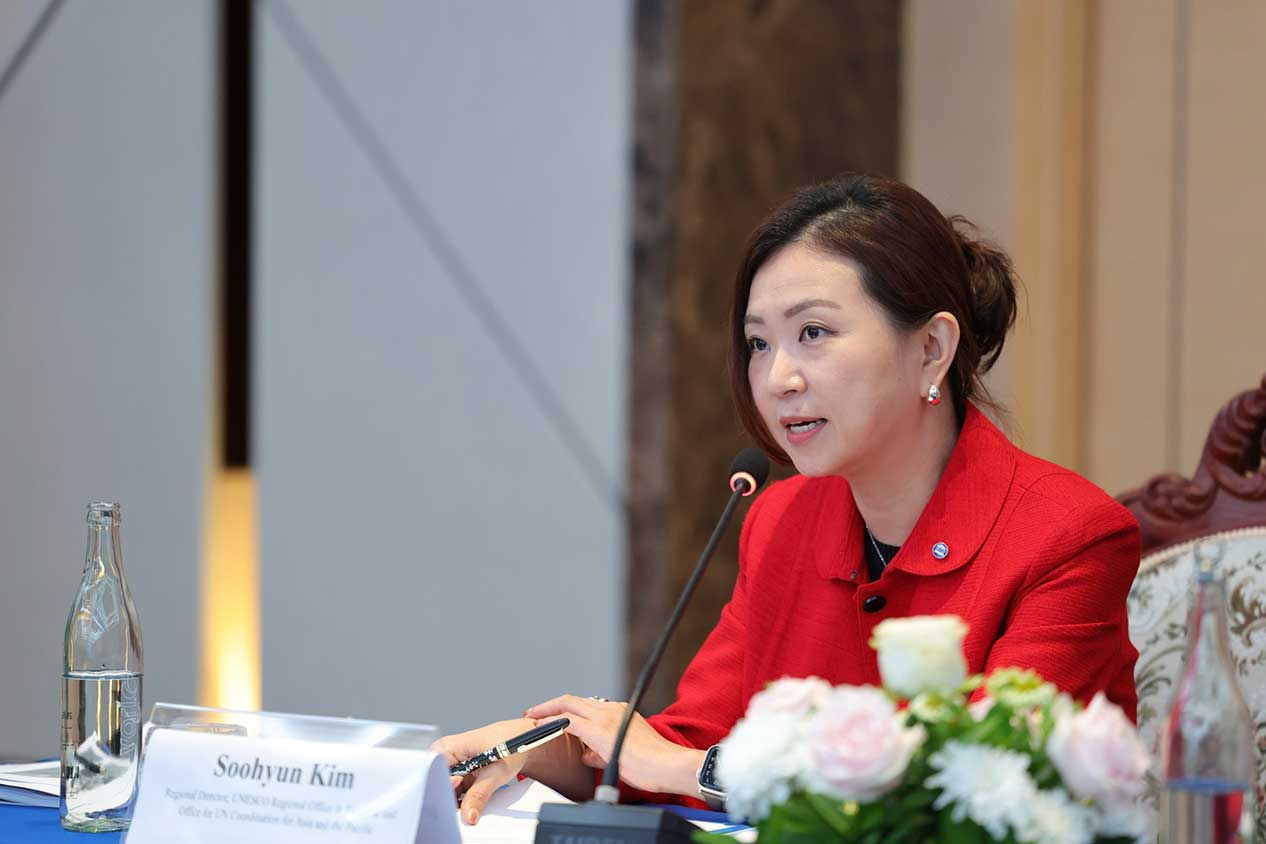
Ms Soohyun Kim, UNESCO Bangkok Regional Director, highlighted the key findings of the UNESCO and MoES Rapid Gender Assessment report
Alongside the new Action Plan, the joint launch event also saw the release of the UNESCO and MoES report of the Rapid Gender Assessment in the Education Sector, which provides evidence to inform policy priorities and strengthen gender-responsive education planning. The assessment’s findings underscore the importance of addressing not only access to education but also the quality, inclusiveness and relevance of learning experiences.
“This assessment highlights both progress and persistent challenges. While many long-standing gaps have narrowed, some girls continue to face significant barriers to education, and many boys are experiencing growing challenges with learning and engagement,” said Ms Soohyun Kim, Regional Director of UNESCO Bangkok. “These findings remind us that educational success goes beyond access to schooling. Every learner deserves an inclusive and supportive environment where they feel valued, empowered and able to participate, alongside quality teaching and learning that respond to their needs and aspirations. These are not optional but essential foundations for achieving inclusive and equitable quality education under SDG 4, and realizing the right to education. They also remain at the heart of UNESCO’s longstanding partnership with the Ministry of Education and Sports.”
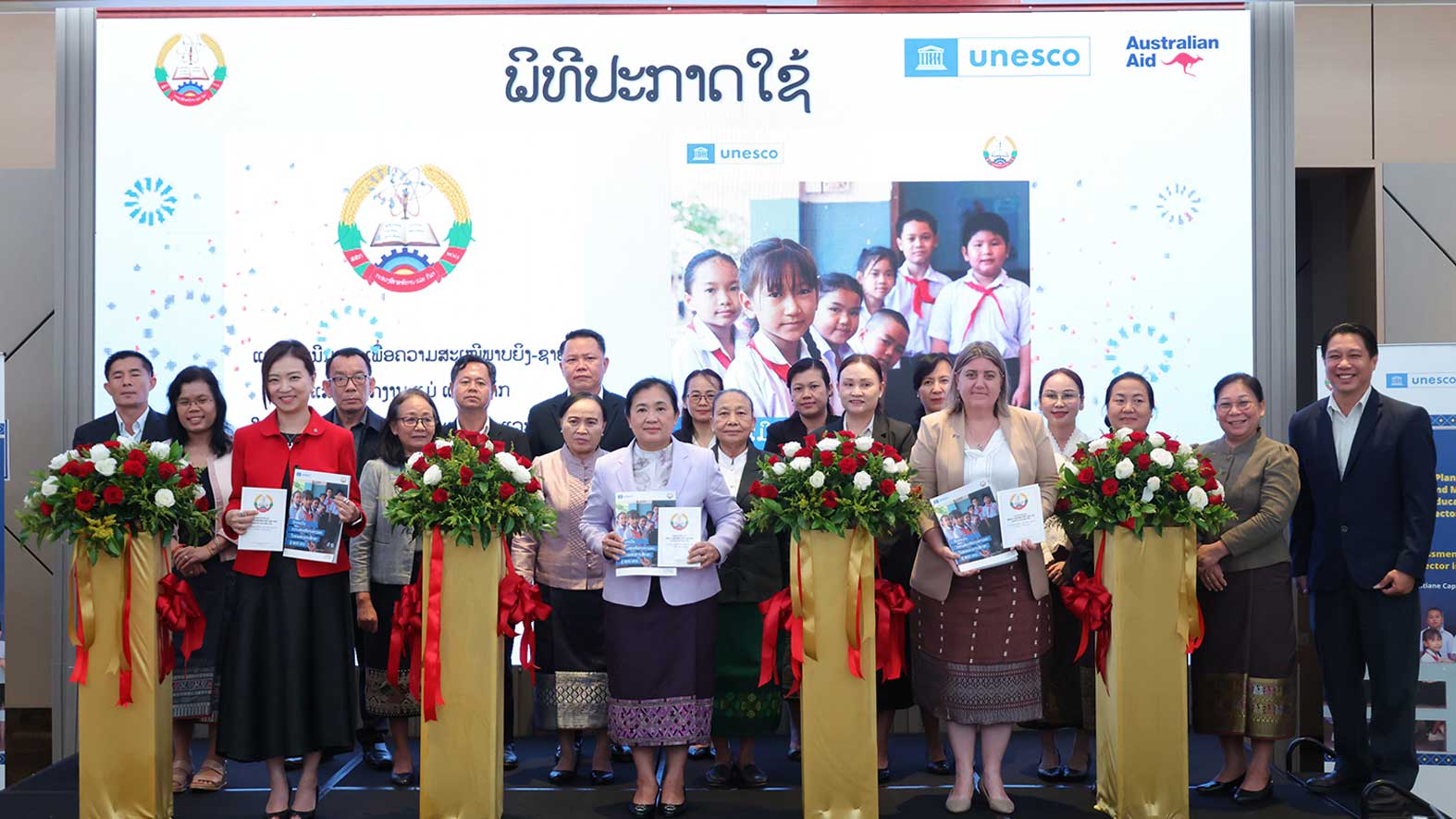
MoES, Australia and UNESCO, officially launched a new five-year Action Plan on Gender Equality, Mothers and Children to guide action across the education sector
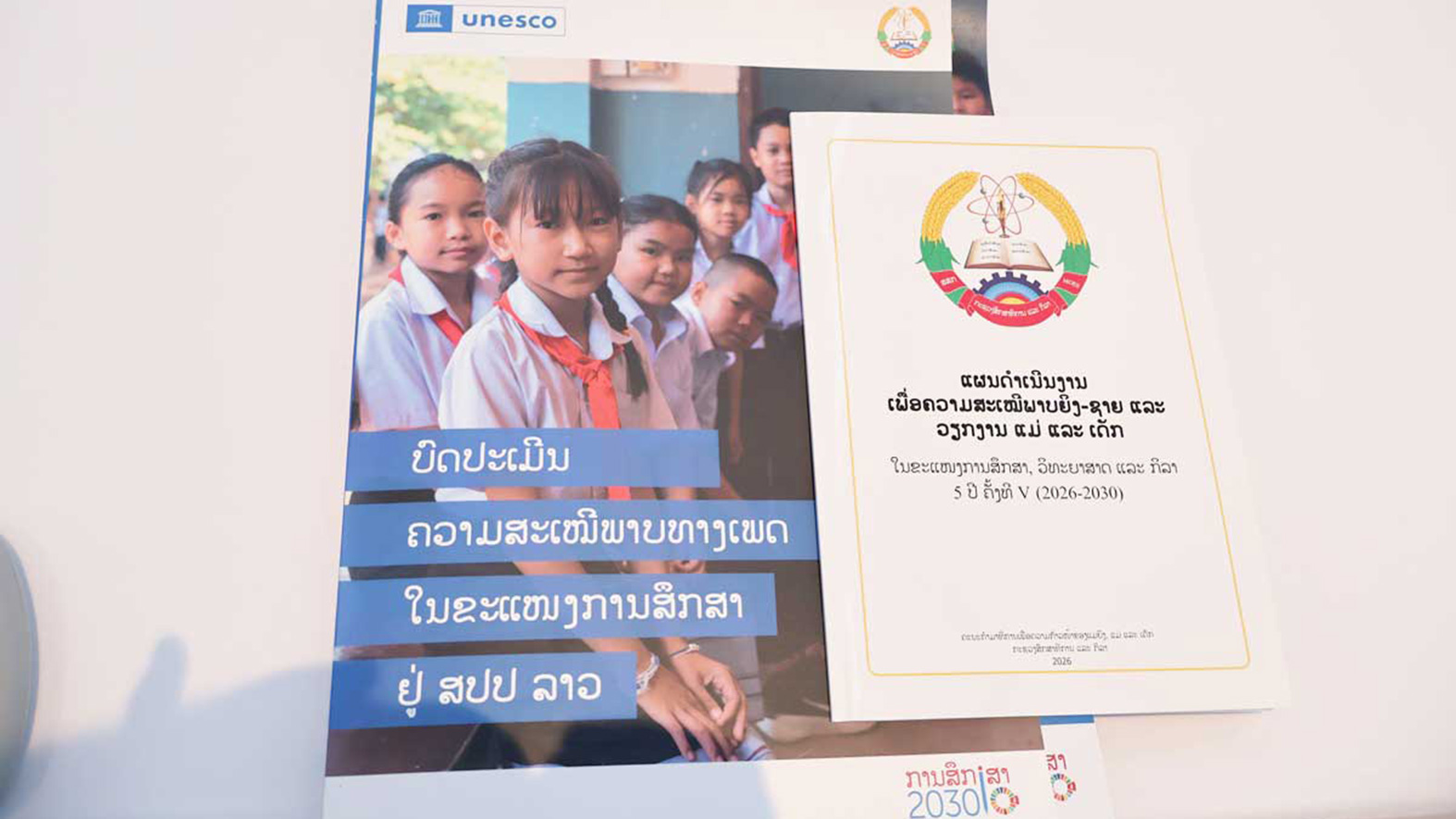
Rapid Gender Assessment in the Education Sector (Left) and Five-year Action Plan on Gender Equality for the Education, Science and Sports sector
A panel discussion also brought together education officials, an educator, a student, a parent and development partners. The discussion explored how the Action Plan can be put into practice and how different stakeholders can contribute to creating more equal, safe and inclusive education.
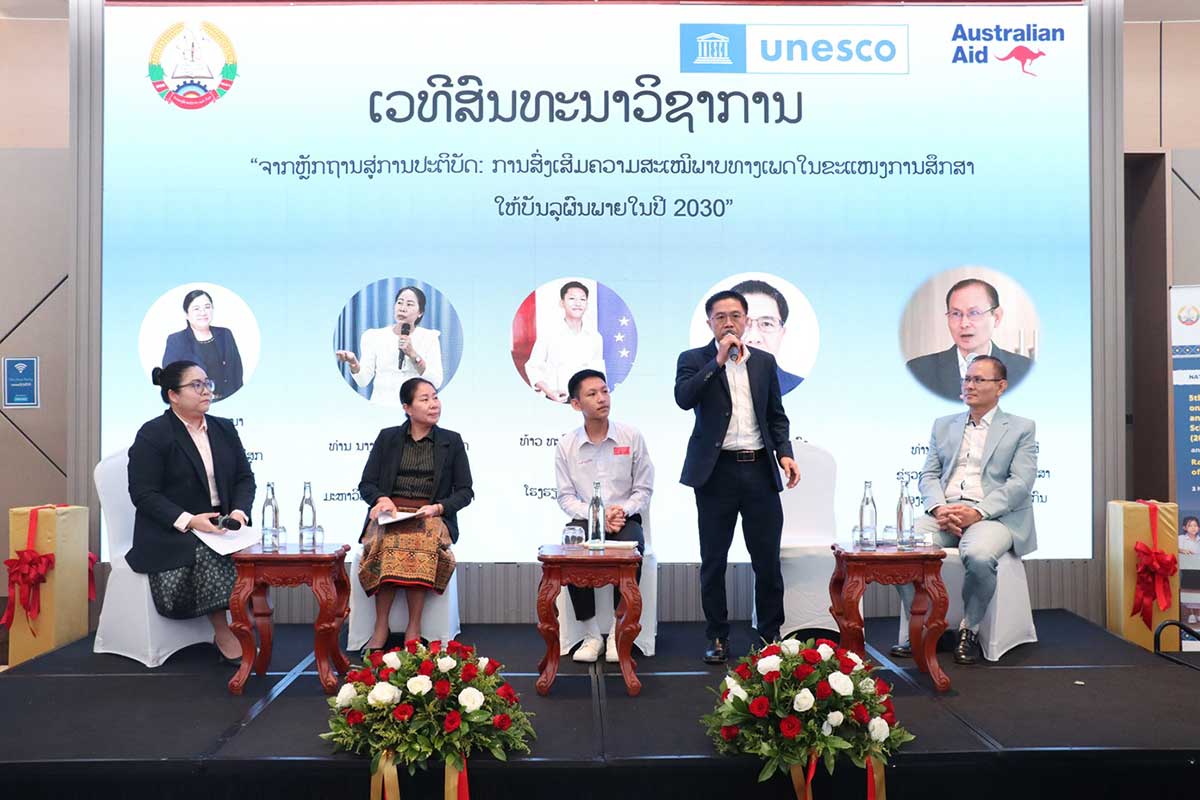
Parent sharing his views on creating a safe school environment
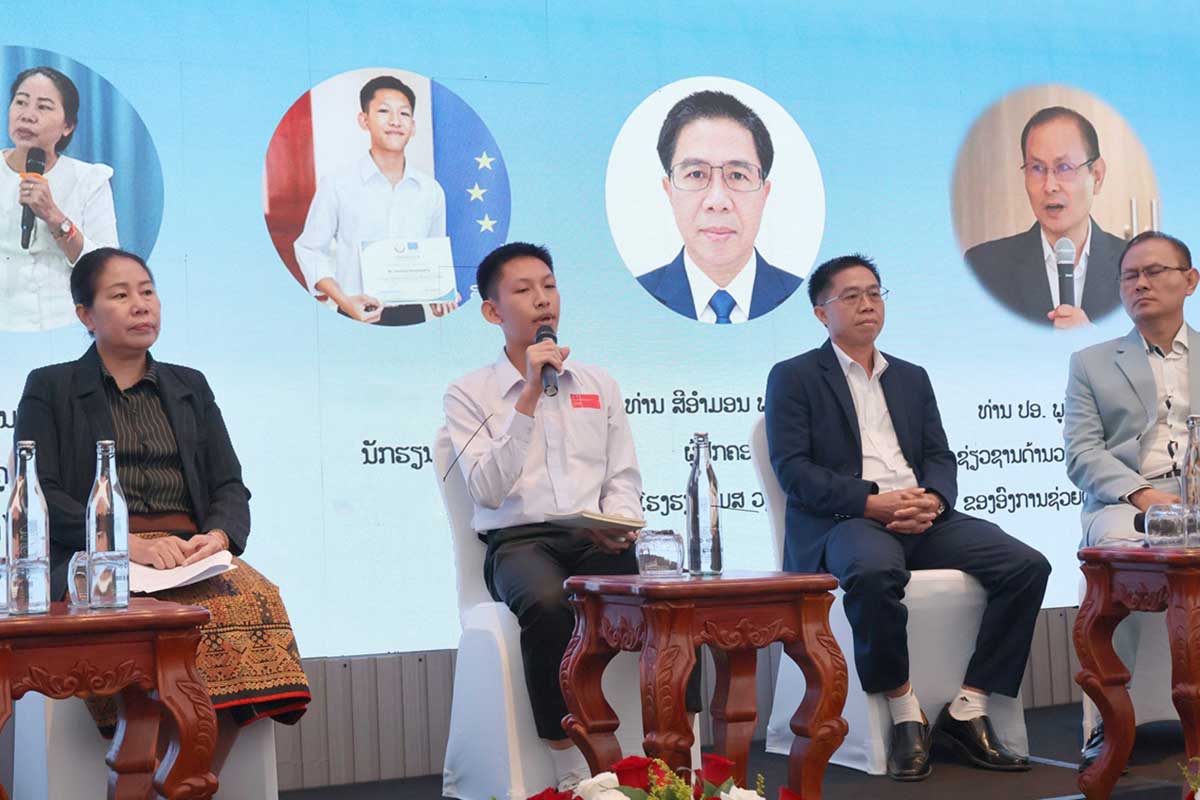
Student sharing ideas on how to promote gender equality in schools
Looking ahead, MoES will work with education institutions and relevant departments at all levels to put the Plan into practice. Dr Daravone Kittiphanh said: “A key message of the Plan is that gender equality and the protection of women and children must be included in the regular work of every MoES department and institution. The next steps will include identifying responsibilities, integrating relevant activities into annual workplans and budgets, appointing focal points, strengthening data collection and establishing regular coordination and reporting.”
The success of the Action Plan will depend on continued leadership by MoES and the active participation of departments, provinces, districts, schools and villages. By making gender equality and child protection part of everyday planning and practice, the Action Plan is expected to help create learning and working environments where all people, regardless of gender, are respected, protected and able to participate equally.