
 ພາສາລາວ
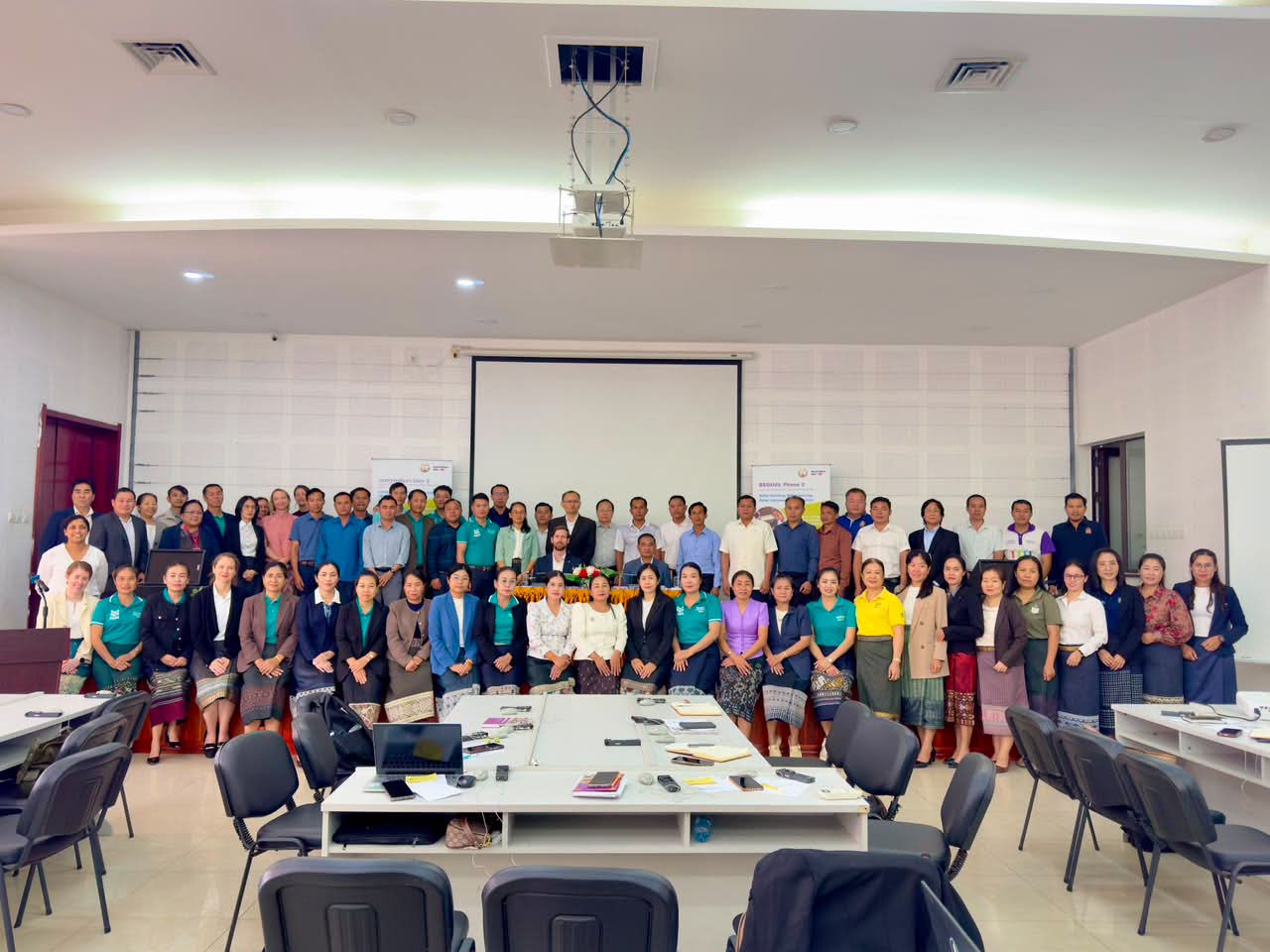
The enumerators team from MoES, PESS and TTC
First step has begun with EGLA baseline assessments to measure Grade 1 and 3 students’ Lao language and literacy skills at the start of the school year
The Ministry of Education and Sports of Lao PDR (MoES), with support from the Australian Government through the BEQUAL program, has launched new research into the factors that support children’s Lao language and literacy development, particularly for students who speak a language other than Lao at home. This research was conducted by the Lao Language Research Center of the Research Institute for Educational Sciences (RIES) in collaboration with the BEQUAL program.
The objective of this research is to study how students’ learning develops over one school year and how teaching practices, classroom conditions and learning materials support that progress. The findings will inform future curriculum development, teacher professional development and the implementation of language support lessons such as Spoken Lao.
The research was launched at a high-level inception workshop, followed by training activities during the second week of September, bringing together representatives from from MoES, at both central and local levela,as well as the Australian Embassy and the Australian Council for Educational Research (ACER).
Dr Vongphet Oudomlith, Director General of RIES, chairing the opening said “Improving language and literacy requires more than providing textbooks or adding lessons. We also need to understand what happens in classrooms, how teaching, learning materials and classroom conditions work together to influence learning and how teachers are supported to respond to students with different language backgrounds.”
Mr. Michael Currie, First Secretary, Australian Embassy added “Strong language and literacy skills in the early grades provide the foundation for future learning. Australia is proud to support this research to help children with limited Lao language skills participate fully in class, succeed in their learning, stay engaged at school and reduce their risk of dropping out.”
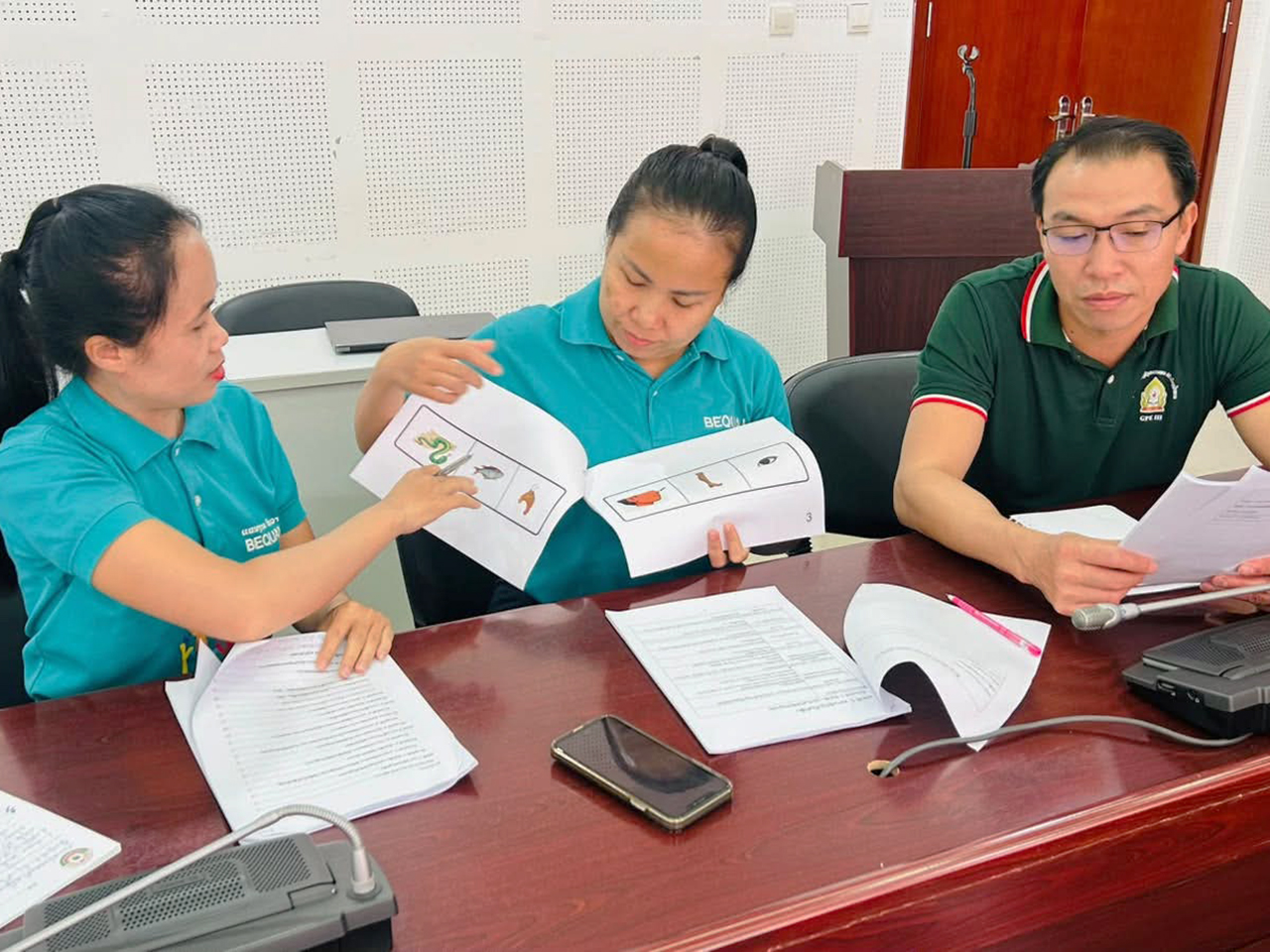
Enumerators attended a four-days training on EGLA test
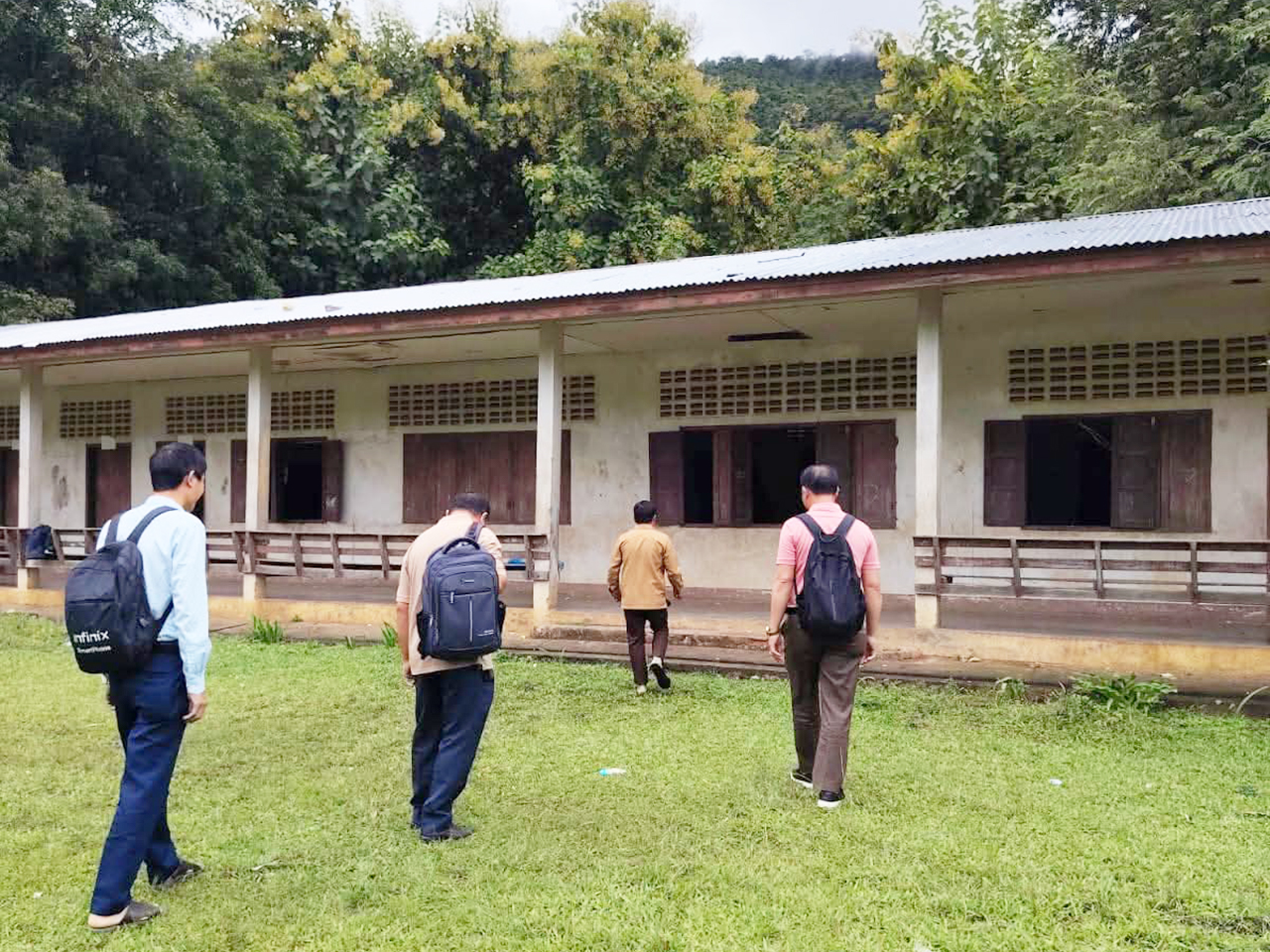
250 schools across Laos are participating in the research
The first stage of fieldwork has started with the Early Grade Learning Assessment (EGLA), which measures students’ Lao language skills. From 16 September to 2 October, 60 trained enumerators from RIES, MoES departments, Provincial Education and Sports Services, and Teacher Training Colleges (TTC) are visiting 250 schools across Lao PDR. The sample includes 125 schools in BEQUAL target districts and 125 schools in non-target districts. The enumerators will assess selected Grade 1 and Grade 3 students through activities such as listening, speaking, recognising letters and sounds, reading and writing. The results will provide a baseline for measuring students’ learning progress within school year 2026-27. The same students will be assessed again in April 2027, allowing the research team to understand how children learn, including those who speak Lao at home and those who speak another language.
The enumerators explained that the work is not only about conducting tests:
Ms. Sykarn Dethlavong, Deputy Head of Chemistry and Biology at Luang Namtha TTC said “I am most interested in the data collection process at the school level, as it allows us to observe students’ learning conditions, particularly in remote areas and among ethnic minority students learning the Lao language, as well as teachers’ Lao language instruction and the overall school environment.”
Ms. Khonesavanh Saisomphou, Head of Early Childhood Education Section at Savannakhet TTC added “A primary focus area of our study is children’s language learning skills, as the Lao language serves as the foundation for their overall learning. If a child lacks proficiency in the language, mastering other subjects becomes a significant challenge.”
Mr. Ja Lao, Head of Monitoring and Report Unit at Khang Khai TTC emphasized “this assessment of student learning progress will serve as a foundation for teacher training, the enhancement of the primary education curriculum (6+3+3), and the advancement of Continuing Professional Development (CPD) initiatives, particularly in the area of Lao language.”
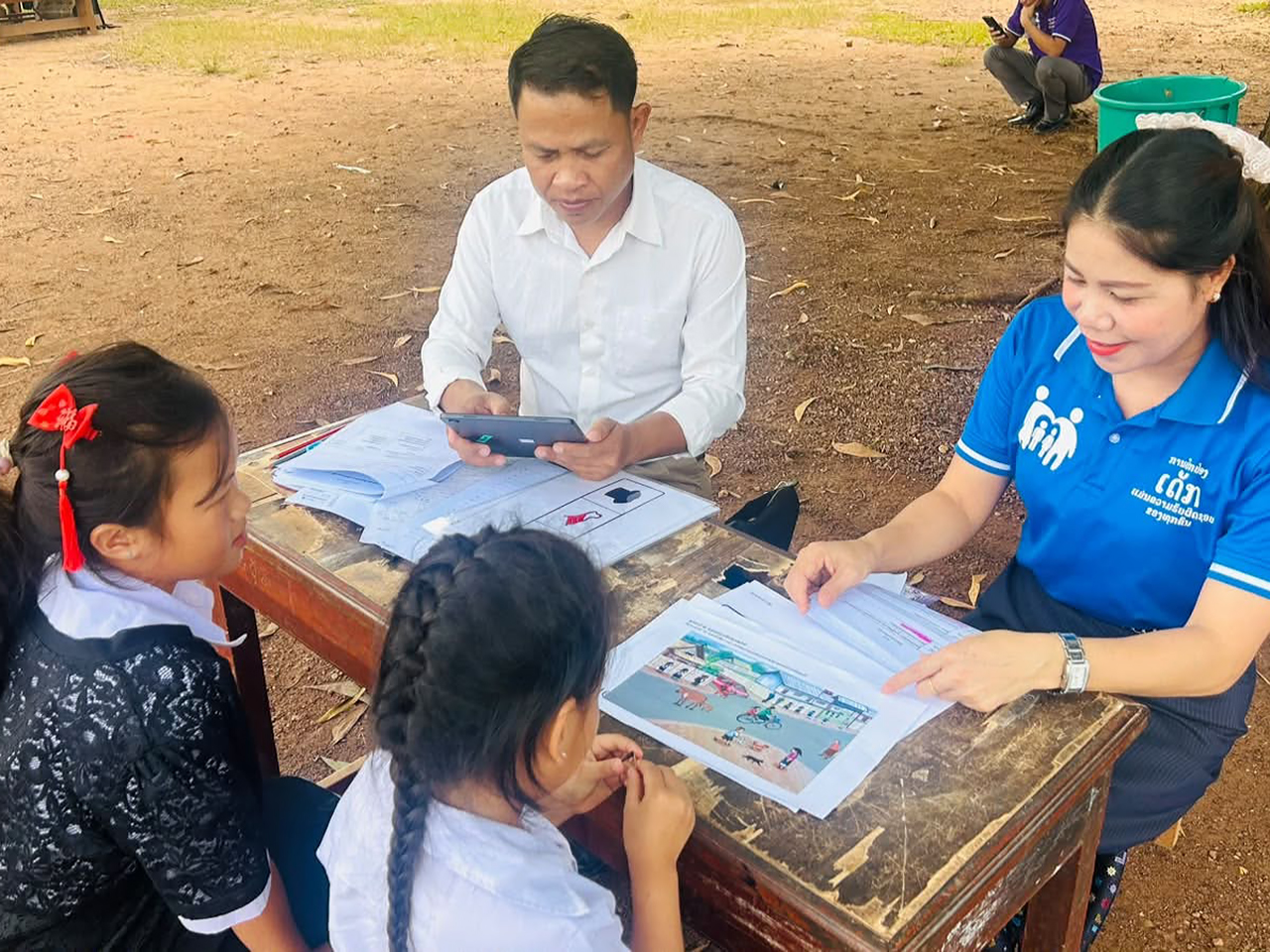
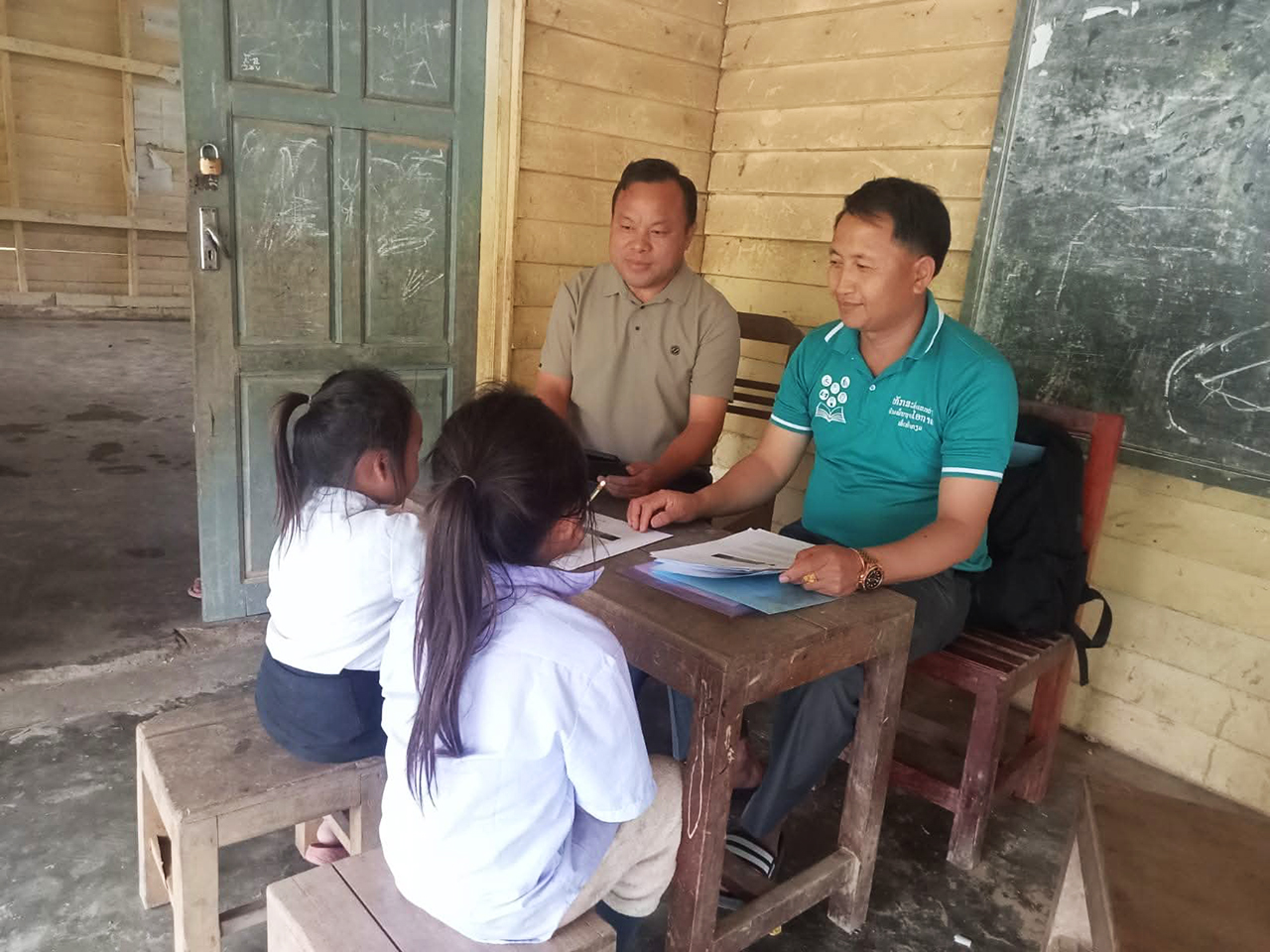
Testing the literacy skills of non-Lao speaking students
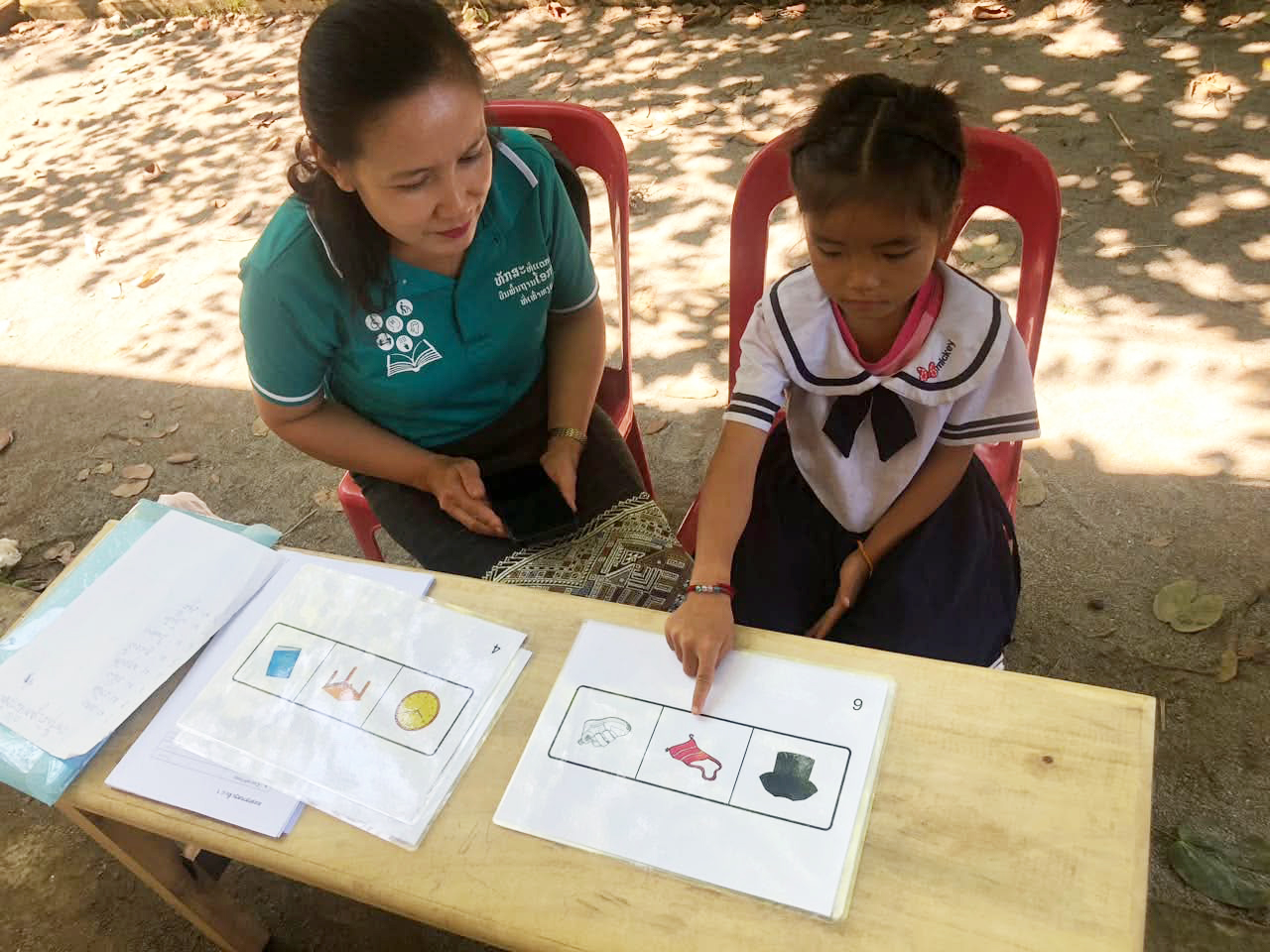
Ms. Sykarn Dethlavong from Luang Namtha TTC
The EGLA baseline is the first part of the wider Language and Literacy Development Research. The team will also examine classroom practices, Lao Language and Spoken Lao teaching materials and student, teacher and school-level factors that may influence learning. Particular attention will be given to oral language development, student participation, differentiation, use of mother tongue, and support for children with different levels of Lao language proficiency.
The findings will support MoES priorities, including the 6+3+3 curriculum reform, curriculum and teaching materials improvements, Spoken Lao Grade 2 development and implementation, and teacher continuing professional development.
Dr Vongphet concluded, “RIES is committed to ensuring that this research is rigorous, relevant to Lao PDR and focused on practical improvements in teaching and learning. Through the participation of MoES departments, Teacher training Colleges, Provincial Education Services and Sports and other partners in training, piloting, data collection, analysis and interpretation, this work will also strengthen national research capacity to generate strong evidence.”
Michael Currie added, “This research is an important investment in the future of education in Lao PDR. By identifying effective ways to support Lao language literacy, it will help inform education policy, strengthen teaching practices, and improve teaching materials, ensuring more children across the country have an equal opportunity to succeed.”
Baseline data collection marks the beginning of the research journey. Over the coming year evidence gathered from students, teachers, classrooms and materials will be analysed and discussed with MoES and education stakeholders to identify practical ways to help more children develop the language and literacy skills they need to succeed.
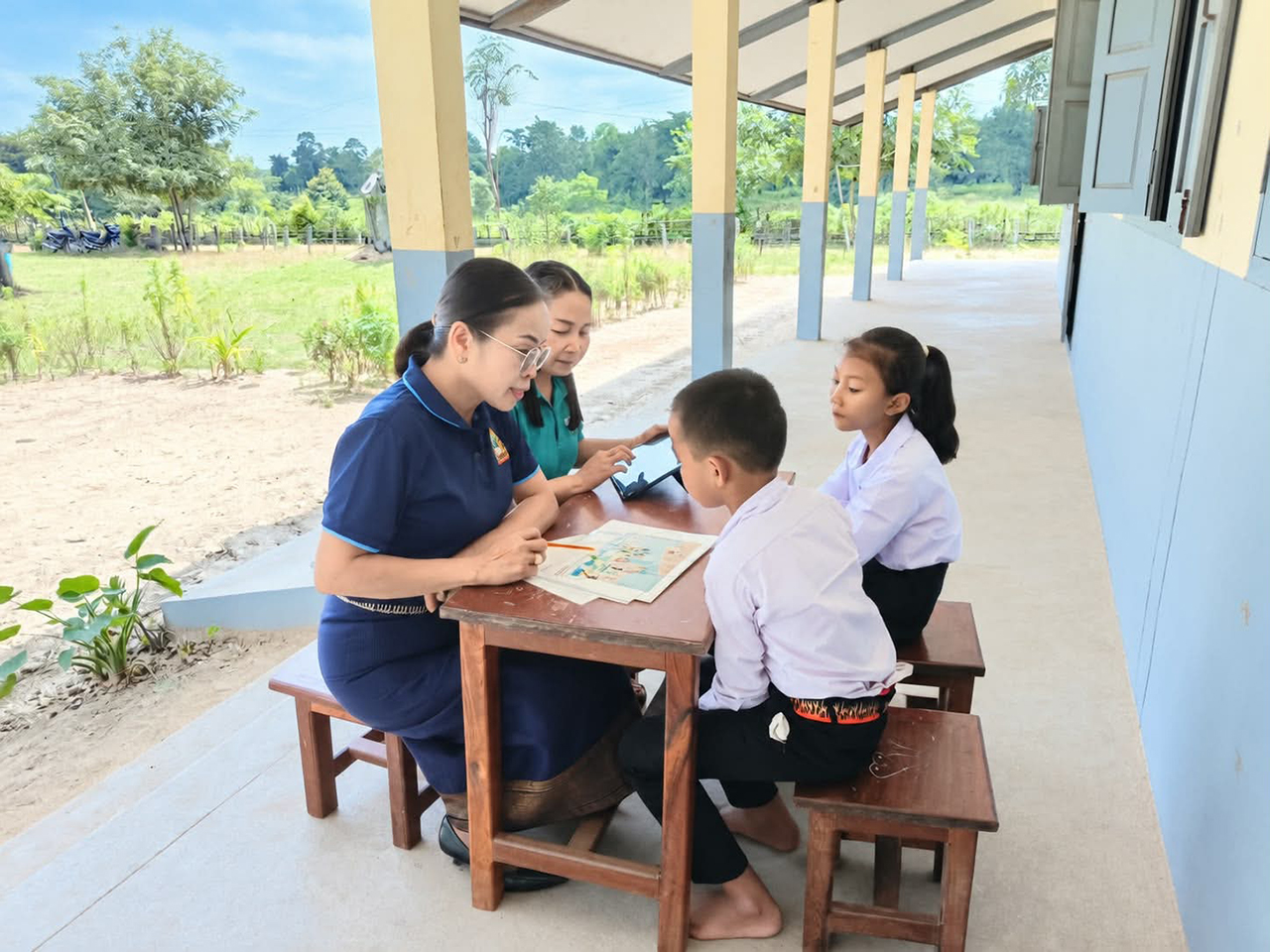
Ms. Khonesavanh Saisomphou from Savannakhet TTC