

 ພາສາລາວ
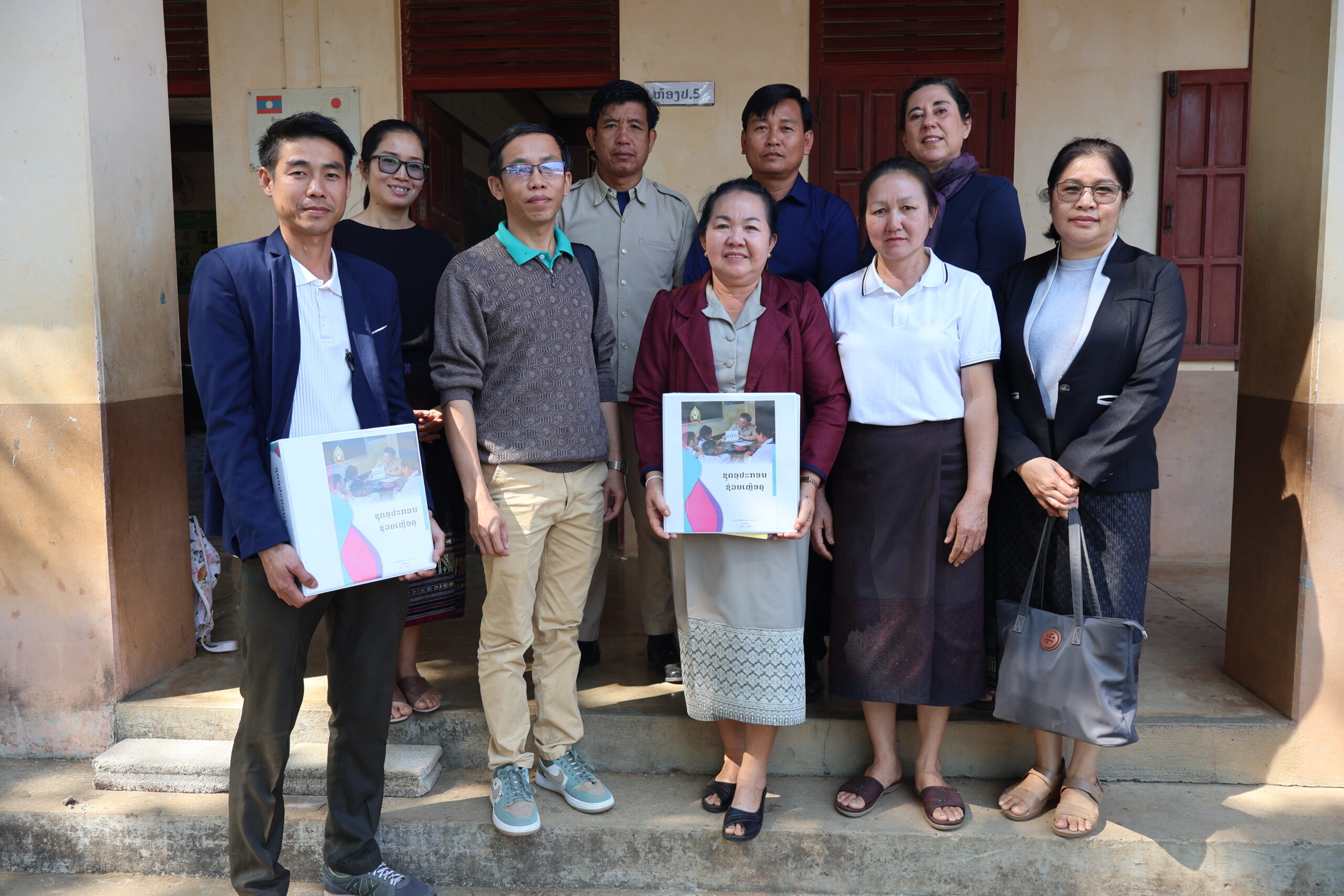
Photo shoot team for the Teacher Support Pack
MoES team conducts photo shoot to illustrate strategies in new Teacher Support Pack 14: “Supporting Students with Disability in the Classroom”
This week, the Ministry of Educations and Sports (MoES), with the support of the Australian Government through the Basic Education Quality and Access in Lao PDR (BEQUAL) program completed the final photo shoot to capture images that illustrate how to implement the practical strategies in the new Teacher Support Pack (TSP) 14 “Supporting Students with Disability in the Classroom”. Representatives from the Department of Teacher Education (DTE), the Inclusive Education Promotion Centre (IEPC), and Vientiane Province Provincial and District Education Services (PESS) joined the shoot supported by the BEQUAL Communications team.
Assoc. Prof. Ms Vongdeuane Osay, Director General, Department of Teacher Education (DTE), said “This new teacher resource is part of the modular Teacher Support Pack series developed in response to feedback from teachers and pedagogical support teams on the biggest challenges they face in the classroom. It reflects MoES’ priorities in the draft ESSDP 2026–2030 to support teachers with practical strategies to support students with diverse learning needs. We hope that this new TSP will help teachers to be more inclusive and responsive to the needs of all students. The Ministry of Education and Sports recognises the right of all children to a quality education, and that requires skilled teachers who can support students of all abilities to thrive.”
The TSPs are modular Continuing Professional Development (CPD) tools for teachers, principals and pedagogical support staff. Each standalone module focuses on a specific teaching area and provides practical strategies to address common classroom challenges. Users can select the modules most relevant to their context and needs, for example: non‑Lao speaking learners, classroom behaviour management, or multigrade teaching.
The TSP 14 has been developed by the Resource Development (RD) team based in Savannakhet Teacher Training College under the supervision of DTE and with technical input from Organisations of Persons with Disabilities (OPDs), International Non-Government Organisations (INGOs), and Civil Society Organisations (CSOs).
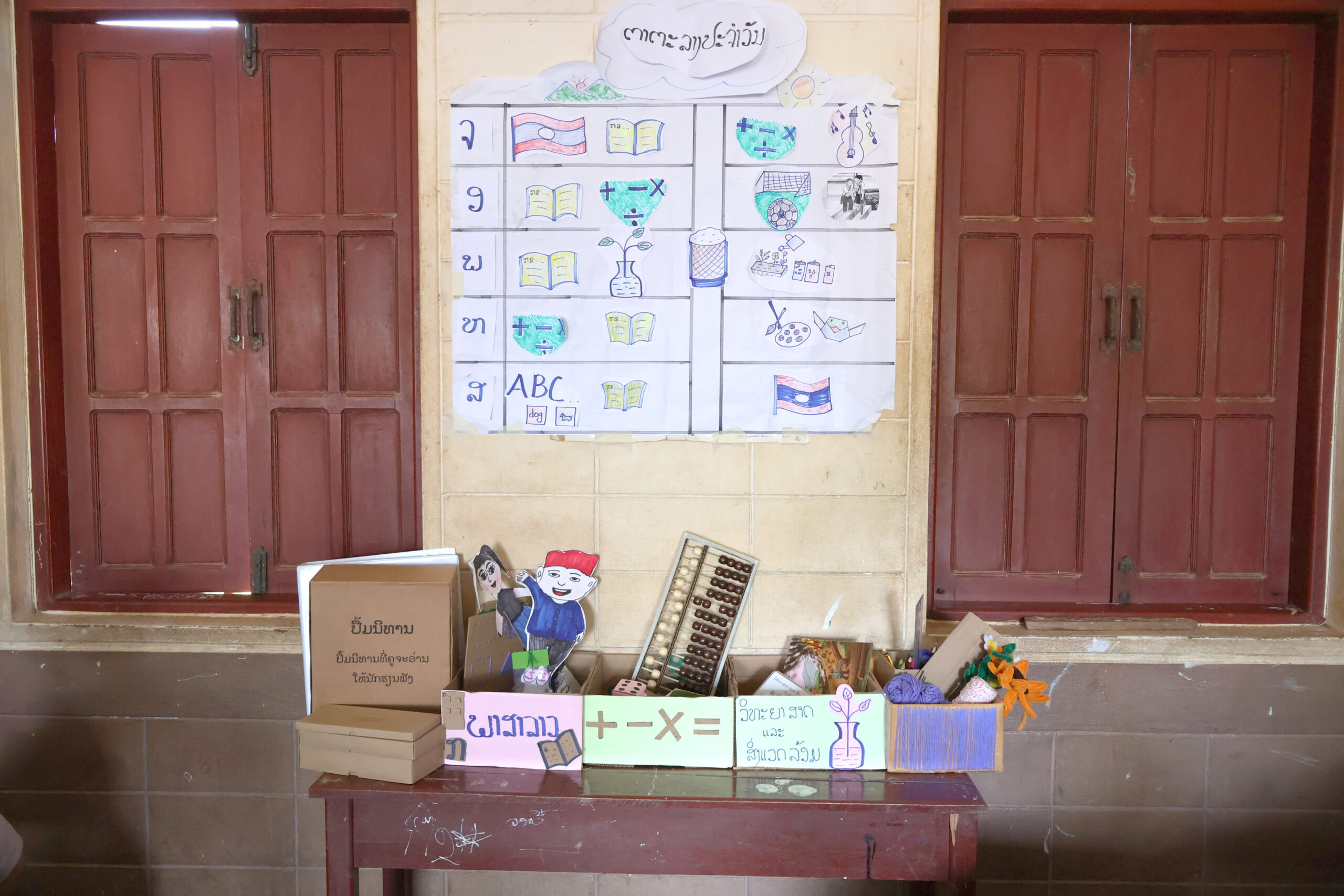
Science experiment adapted to ensure everyone can participate
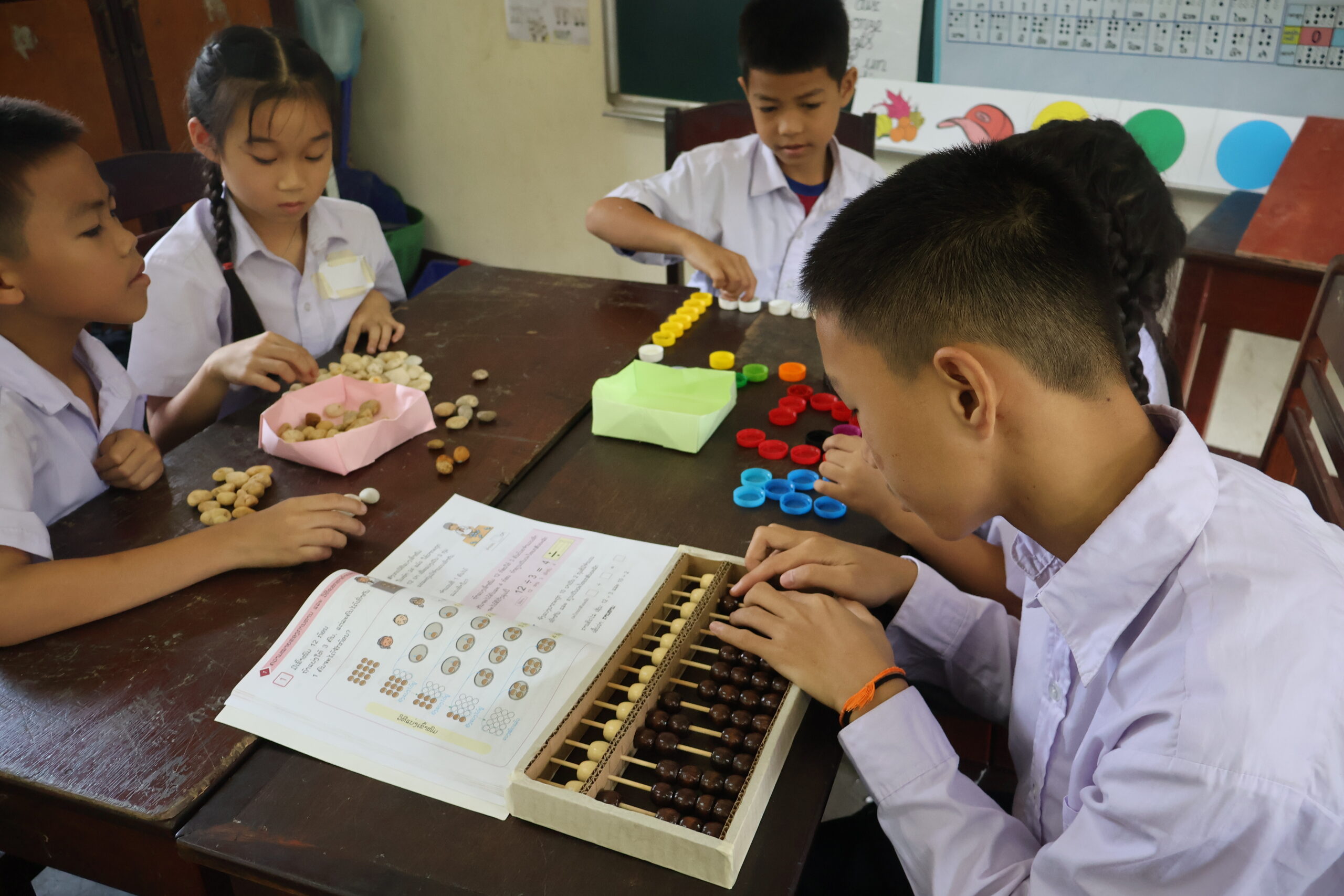
Students with visual impairment learning math with a simple locally made abacus
Ms Vanessa Hegarty, First Secretary, Australian Embassy said “Children with disability face significant barriers to accessing quality education in Laos, including misconceptions and discriminatory attitudes about the causes of disability and the abilities of persons with disabilities. Australia is encouraged to see that many teachers have expressed strong motivation to learn effective teaching strategies to overcome these barriers. We are honoured to work closely with the Ministry of Education and Sports, as well as experts from OPDs and other partners, to equip teachers with practical strategies that meet the needs of all learners.”
Mrs Vongdeuane explained “Continuing Professional Development is essential for teachers to meet all learners’ needs. This TSP gives teachers step-by-step approaches to include children with hearing, vision, mobility and learning difficulties in everyday classroom activities. Every teacher should be able to use these methods, even if they have never worked with students with disabilities before. Some students may have disabilities that are not obvious or have not been formally diagnosed, but they can still benefit from inclusive teaching practices and thoughtful support. Many strategies use local materials and require little or no extra funding, so they can be adopted widely.”
The TSP 14 includes the Child Functioning Module-Teacher Version which is a simple tool to help teachers identify students who have difficulties with attention, communication, memory, mobility, sight or hearing. By using this tool, teachers can better understand their students’ learning needs and select appropriate classroom strategies. The tool can also be used to develop an Individual Education Plan (IEP), bringing together teachers, parents, and students to plan the right support and refer their students to relevant services if needed. The TSP also includes a directory of organisations and services teachers can contact for further support.
Following approval by DTE, TSP 14 will be piloted in 30 target districts to test its useability, identify what works, and make refinements as necessary before national rollout. In parallel, RIES video-production teams, with support from Australia, will produce a Teacher Development Video demonstrating how to use the Child Functioning Module -Teacher Version and apply classroom strategies.
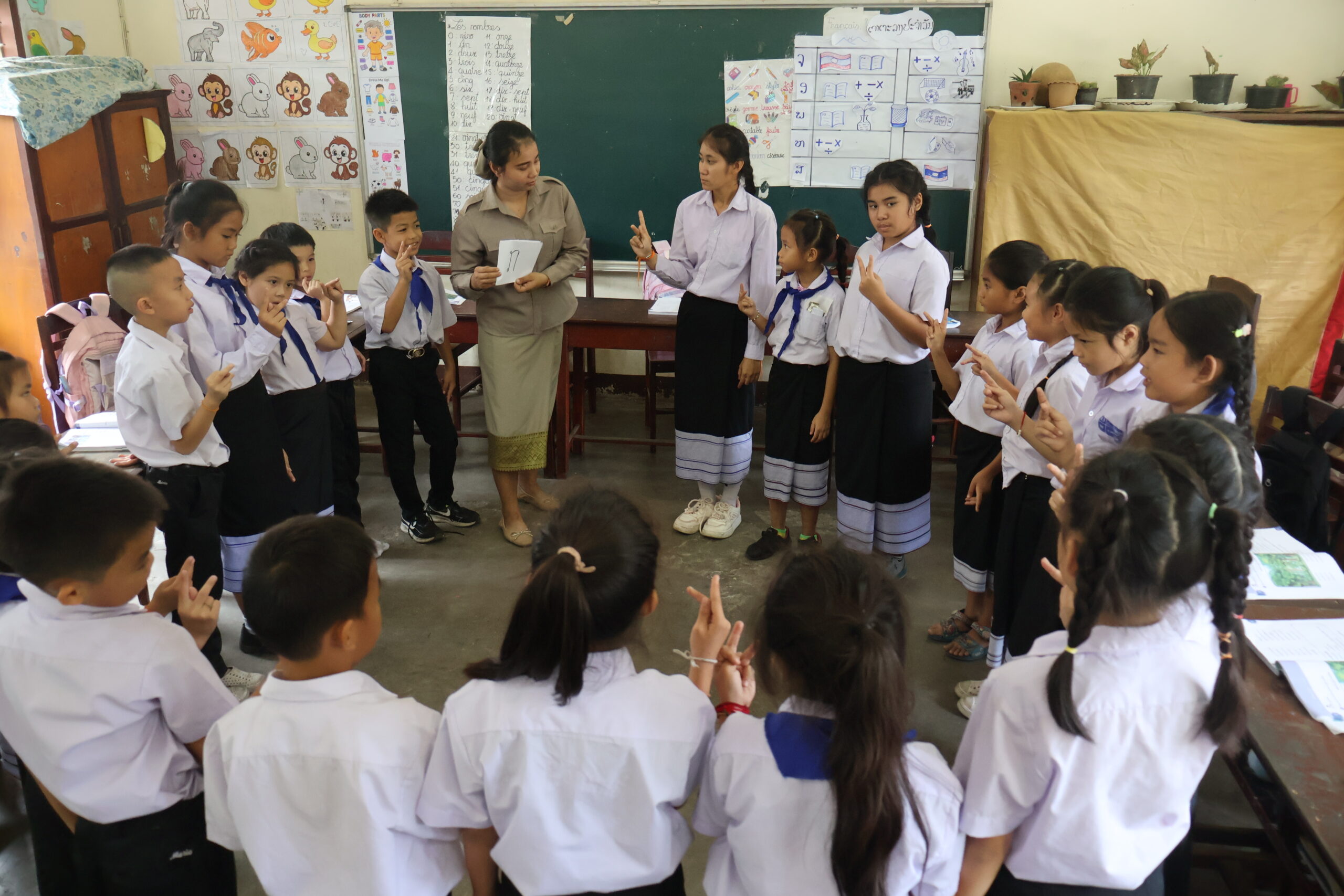
Student with hearing loss teaching classmates sign language
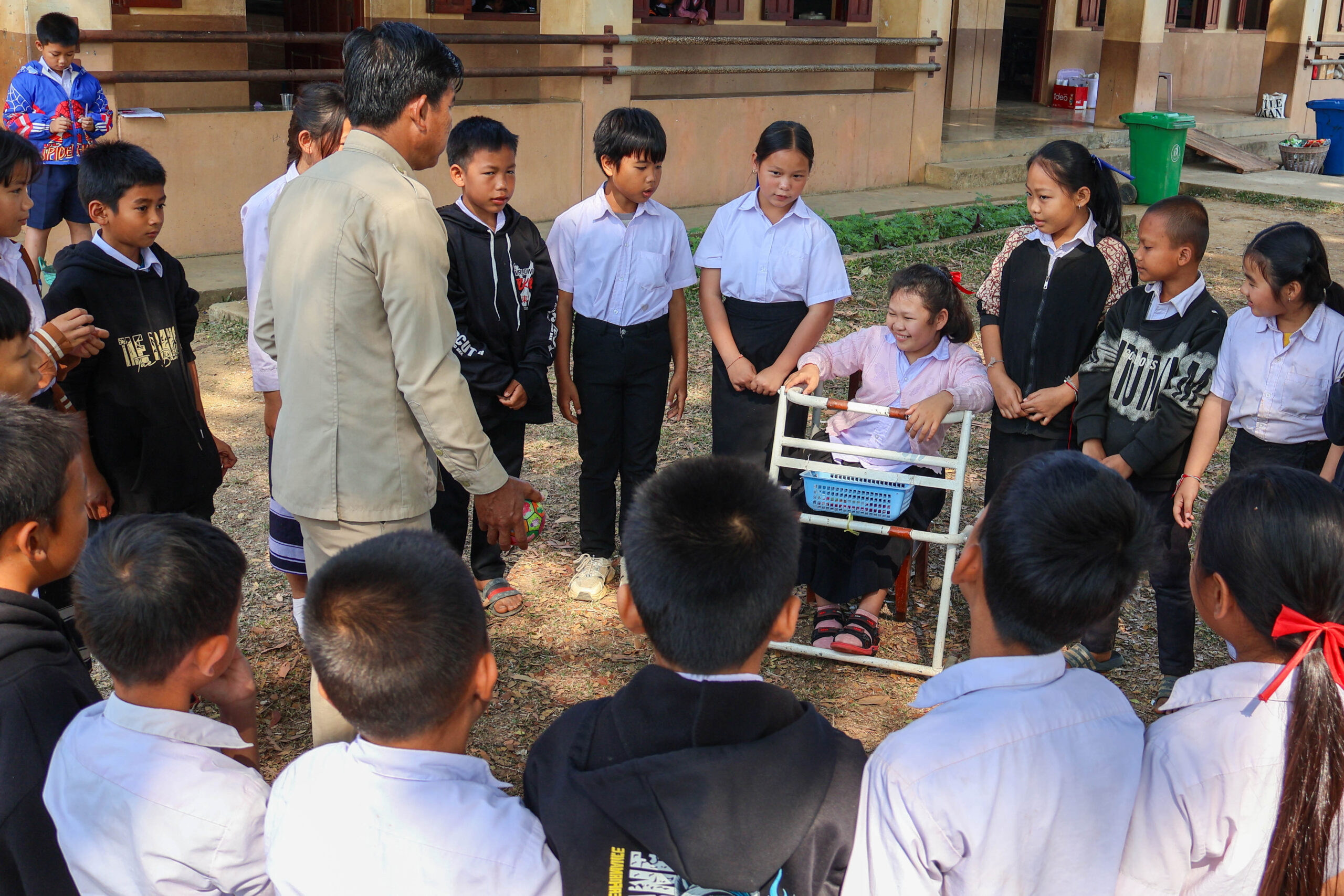
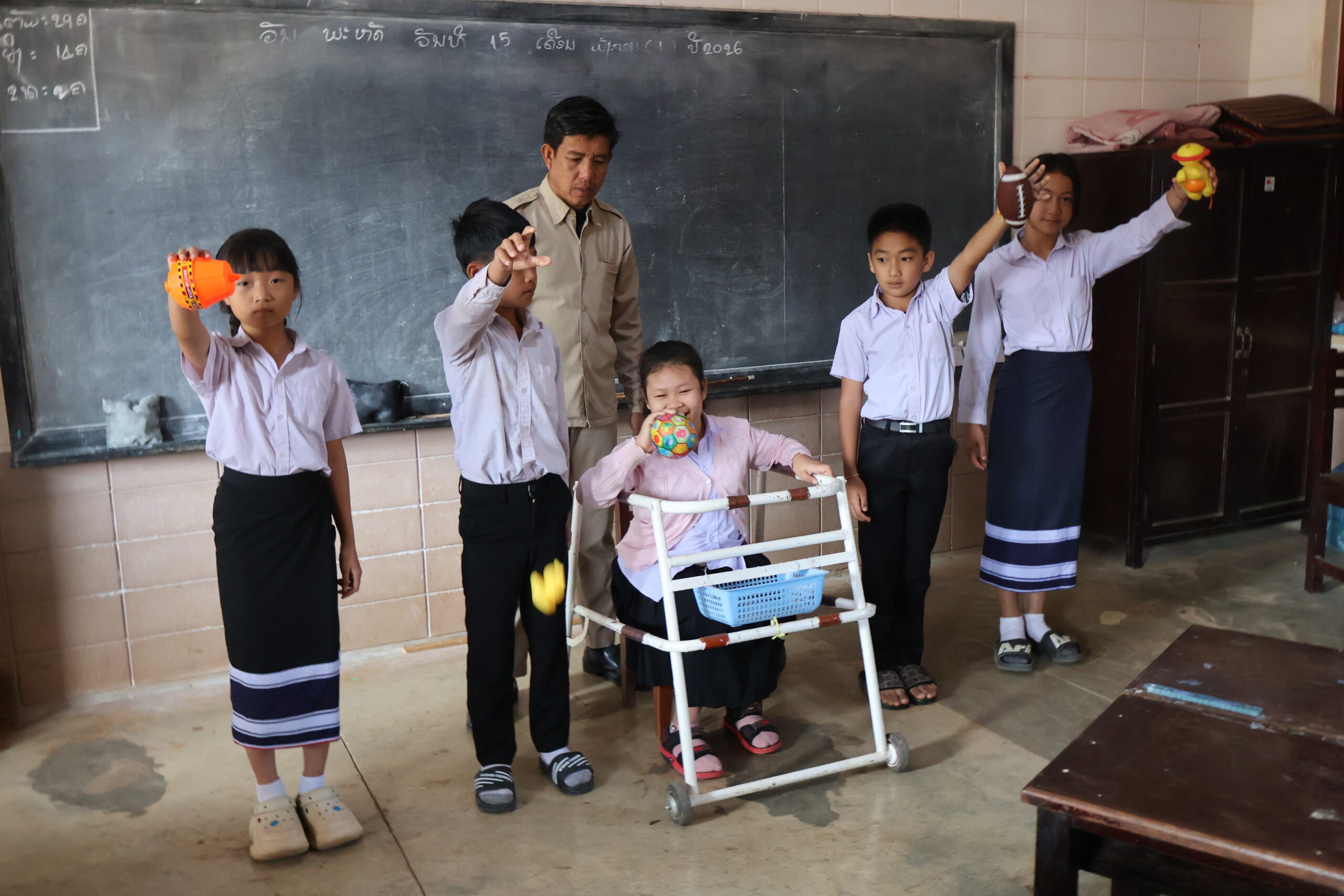
Inclusive Physical Education lesson
Ms Vanessa concluded “All children have the right to learn and participate fully in school, and students benefit from learning in diverse classrooms. When teachers make small adjustments to their classroom environment and teaching methods, students with disabilities can successfully learn alongside their classmates, and the whole class benefits from learning in a supportive and inclusive environment.”
BEQUAL is a program led by the Lao Government with support from the Australian Government and the United States Government. The program focuses on enhancing educational outcomes for the nation’s youth, especially the vulnerable and disadvantaged. BEQUAL is focused on ensuring gender equality and promoting inclusive education across all activities.